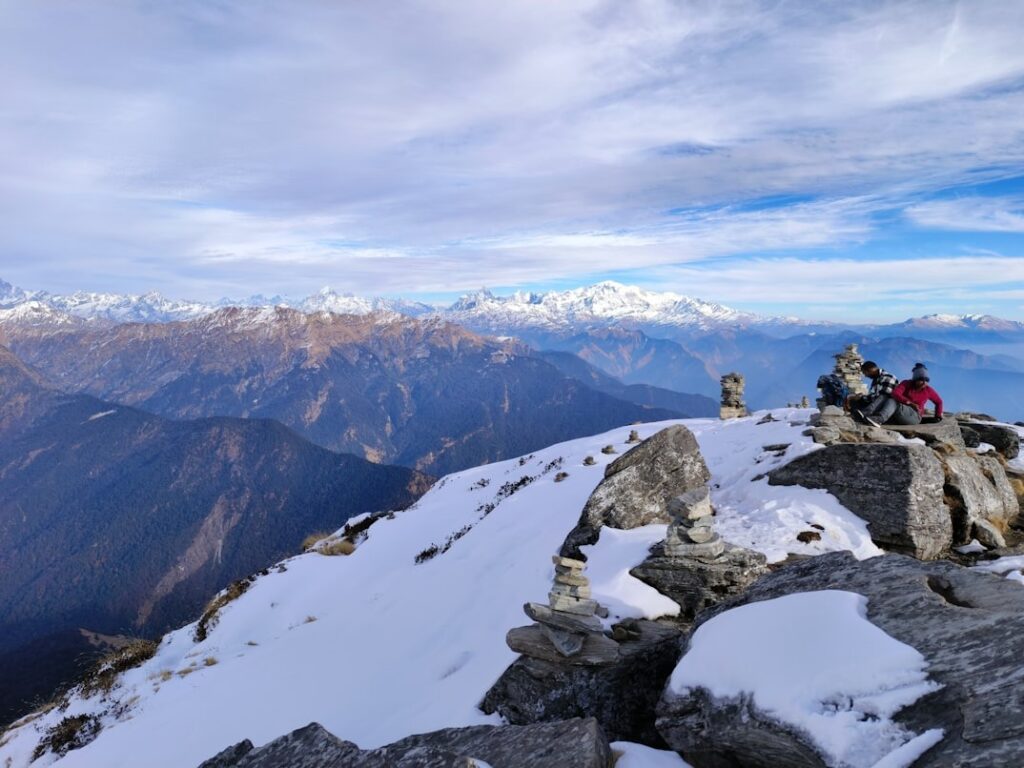
I’ll answer this upfront so you don’t have to scroll forever: No, the Tungnath trek is not difficult for most people—if you prepare a little and know what to expect. But it’s also not a casual park walk. It sits comfortably between “easy” and “moderate,” and your experience depends largely on fitness, weather, and mindset.
I’ve done this trek myself, and I’ll break it down plainly—no drama, no fluff, no exaggerated adventure talk. Just what it actually feels like on the ground.
What Makes People Think Tungnath Is Difficult?
Most people get nervous because of three things:
- High altitude
- Steep sections near the end
- Cold weather unpredictability
On paper, Tungnath sounds intimidating. It’s the highest Shiva temple in the world, sitting at around 12,073 feet. That number alone scares beginners. But numbers don’t tell the full story.
The trail is well-paved, clearly marked, and heavily used. You’re not navigating forests blindly or climbing technical terrain. What you’re really dealing with is continuous uphill walking and thin air toward the top.
How Long and How Steep Is the Trek Really?
The trek starts from Chopta and is roughly 3.5 to 4 km one way. Most people take 2.5 to 3.5 hours to go up and about 2 hours to come down.
Here’s the honest breakdown:
- First 1.5 km: Easy to moderate, gentle incline
- Middle stretch: Consistent uphill, but manageable
- Last 500–700 meters: This is where most people slow down
The final stretch is steeper and colder, and if you rush, you’ll feel breathless. But if you walk slow, take breaks, and breathe properly, it’s very doable—even for first-timers.
I saw:
- Kids around 8–10 years old
- People in their 50s
- First-time trekkers with zero Himalayan experience
That should tell you something.
Does Altitude Make It Hard?
Altitude matters—but not in a scary way.
At Tungnath, oxygen levels are lower, so:
- You breathe heavier
- You walk slower
- You feel tired quicker
But serious altitude sickness is rare here because:
- The trek is short
- You can descend the same day
- Chopta itself helps with gradual acclimatization
If you’re coming straight from plains, the key is not rushing. Walk slow. Drink water. Don’t compete with anyone. The mountain doesn’t care how fit you think you are.
Weather: The Real Difficulty Factor
If there’s one thing that can make Tungnath feel difficult, it’s weather.
- Summer (April–June): Best time. Clear trail, pleasant cold.
- Monsoon (July–September): Slippery path, fog, leeches sometimes.
- Winter (Nov–March): Snow trek—this is a different game.
In winter, the trail can be buried in snow. The same “easy” trek suddenly demands:
- Better stamina
- Balance on snow
- Warm gear
This is where many people choose to go with experienced local teams. When I went in colder conditions, having people who knew the route and pace made a real difference. Groups like Searching Souls, who operate in this region regularly, understand how weather changes affect beginners—without turning it into a commercial circus you can also book your chopta tungnath trek from their website.
Is Tungnath Trek Suitable for Beginners?
Yes. Absolutely yes.
If you can:
- Walk 6–8 km in a day
- Handle mild cold
- Stay patient while walking uphill
You can do Tungnath.
You don’t need:
- Gym-level fitness
- Trekking experience
- Fancy equipment
Basic preparation is enough:
- Good shoes
- Warm layers
- Water and snacks
- Slow, steady pace
I’ve seen people fail not because the trek was hard—but because they underestimated it and rushed.
Do You Need a Guide?
Technically, no. The trail is obvious.
Practically? It depends.
If you’re:
- Trekking in winter
- Traveling solo
- New to mountains
- Unsure about weather conditions
Going with a small, experienced group helps. Not in a “follow-the-flag” way, but in a comfort and safety way. When I went with people who had done this trek multiple times, things like pacing, breaks, and route awareness felt effortless. Teams like Searching Souls don’t overhype the trek—they just let you experience it calmly, which I appreciated.
Tungnath vs Chandrashila: Know the Difference
Many people confuse the two.
- Tungnath Temple: Easier, shorter
- Chandrashila Summit: Extra 1 km, much steeper
If you stop at Tungnath, the trek stays easy-moderate.
If you push to Chandrashila, difficulty increases—not dangerously, but noticeably.
My advice?
First-time trekkers should decide on the spot based on energy and weather.
Mental Difficulty Is Bigger Than Physical
The biggest challenge isn’t your legs—it’s your head.
- Seeing continuous uphill can feel discouraging
- Cold wind near the top can break motivation
- Watching others move faster can mess with confidence
Once you stop comparing and start walking at your own rhythm, the trek becomes surprisingly enjoyable.
I treated it like a long, mindful walk instead of a “summit mission.” That mindset changed everything.
So, Is Tungnath Trek Difficult? Final Verdict
Here’s my honest, no-nonsense answer:
- For beginners: Easy to moderate
- For fit people: Easy
- In winter: Moderate to slightly challenging
- With poor prep or bad weather: Can feel tough
Tungnath is not about proving strength. It’s about steady effort, patience, and respect for the mountains. If you go expecting Everest-level difficulty, you’ll be pleasantly surprised. If you go unprepared, even an easy trek feels hard.