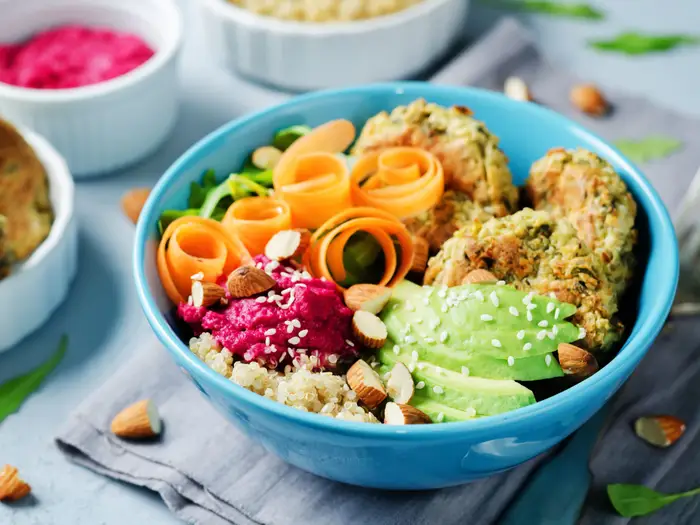
High protein recipes are essential for anyone looking to build muscle, improve recovery, or maintain a healthy weight. Protein is a crucial macronutrient that helps with muscle repair, boosts metabolism, and keeps you feeling full longer. Whether you’re an athlete, fitness enthusiast, or someone looking to improve overall health, high-protein meals can be a game-changer.
This guide will explore the importance of high-protein recipes, offer a variety of meal ideas, and provide tips on how to incorporate them into your daily diet. It will also cover how these meals support muscle growth, weight management, and overall well-being.
Why High Protein Recipes Matter
High-protein recipes are more than just filling meals; they play a vital role in your body’s overall health. Protein helps in muscle repair, boosts metabolism, and aids in weight loss by promoting satiety. It also supports the immune system and contributes to the production of enzymes and hormones essential for various bodily functions.
Incorporating more protein into your diet can help balance blood sugar levels, control hunger, and provide sustained energy throughout the day. By focusing on high-quality protein sources, you can ensure your meals not only taste great but also nourish your body with the nutrients it needs.
High-protein meals are particularly beneficial for those who engage in regular exercise or strength training. They help repair muscle fibers, build lean muscle mass, and improve recovery time, which ultimately supports a healthier, stronger body.
What to Expect from High Protein Recipes
When preparing high-protein recipes, you can expect meals that are both nutritious and satisfying. These recipes often feature protein-rich foods, healthy fats, and fiber-packed vegetables. Here’s what to expect:
- Lean Proteins: Chicken, turkey, fish, tofu, beans, and legumes are rich sources of protein that help build and repair tissues.
- Vegetables and Fiber: Vegetables like spinach, broccoli, and sweet potatoes are packed with fiber, which aids digestion and supports overall health.
- Healthy Fats: Foods like avocado, nuts, seeds, and olive oil provide healthy fats that are essential for heart health.
- Complex Carbohydrates: Brown rice, quinoa, oats, and whole-grain products provide energy while helping to regulate blood sugar.
By using these ingredients, you can easily create delicious meals that are high in protein and designed to support a healthy lifestyle.
Key Ingredients in High Protein Recipes
High protein recipes are best when they include a combination of lean proteins, healthy fats, and fiber-rich ingredients. Here are some of the most important components to include:
- Lean Protein: Chicken breast, turkey, fish (like salmon and tuna), lean cuts of beef, eggs, tofu, tempeh, and legumes such as lentils and chickpeas.
- Vegetables: Leafy greens (like spinach and kale), cruciferous vegetables (like broccoli and cauliflower), and fiber-rich vegetables (like zucchini and carrots).
- Whole Grains: Quinoa, brown rice, barley, oats, and farro are great sources of complex carbohydrates and provide additional fiber and essential minerals.
- Healthy Fats: Avocados, olive oil, coconut oil, chia seeds, and nuts (like almonds and walnuts) are packed with beneficial monounsaturated fats.
- Dairy or Dairy Alternatives: Greek yogurt, cottage cheese, and plant-based milk (like almond or soy milk) can also be used as protein sources.
These ingredients are easy to find and versatile, making it simple to incorporate them into your daily meals.
What to Expect in High Protein Recipe Preparation
Preparing high-protein meals doesn’t have to be complicated. Many high-protein recipes require minimal prep and cook time. Here’s what to expect:
- Simple Ingredients: Most high-protein recipes use common ingredients that are easily available at your local grocery store. You can mix and match these ingredients to create diverse meals.
- Quick Cooking Time: While some high-protein recipes may take longer to prepare, many can be made in under 30 minutes. Whether you’re grilling, sautéing, or baking, the cooking process is typically straightforward.
- Meal Prep Options: High-protein meals are ideal for meal prepping. You can cook large batches of protein and grains, storing them in the fridge or freezer for easy access throughout the week.
- Customization: High-protein recipes are incredibly customizable. Whether you’re following a vegetarian, keto, or gluten-free diet, these meals can be adapted to meet your dietary needs.
Where to Find High Protein Recipes
If you’re looking for delicious, protein-packed meals, Ravoke Recipes offers a wide selection of healthy high-protein recipes that fit your needs. The website features simple, nutritious, and tasty meals that make it easy to incorporate more protein into your diet.
Here are some high-protein recipes to try:
- Grilled Chicken with Quinoa and Avocado Salad: A balanced meal with lean protein, fiber-rich quinoa, and healthy fats from avocado.
- Lentil and Chickpea Salad with Tahini Dressing: A hearty vegetarian option packed with plant-based protein and fiber from lentils and chickpeas.
- Salmon with Roasted Vegetables: A rich source of omega-3 fatty acids and high-quality protein, served with a variety of roasted vegetables.
- Egg White Scramble with Spinach and Mushrooms: A low-fat, high-protein breakfast option to kick-start your day.
- Tofu Stir-Fry with Broccoli and Bell Peppers: A quick and easy plant-based meal that’s rich in protein and fiber.
These recipes are designed to be quick, satisfying, and nutrient-dense, helping you meet your daily protein needs without compromising on flavor.
High Protein Recipes FAQs
1. How much protein should I eat daily?
The amount of protein you need depends on factors like age, gender, activity level, and fitness goals. On average, adults should aim for 0.8 grams of protein per kilogram of body weight. For athletes or those looking to build muscle, protein needs may increase to 1.2–2.0 grams per kilogram.
2. Can high-protein recipes help with weight loss?
Yes, high-protein recipes can aid in weight loss by promoting satiety and helping you maintain muscle mass while losing fat. Protein also boosts metabolism, which helps burn more calories.
3. Are plant-based protein sources as effective as animal protein?
Yes, plant-based proteins like beans, lentils, tofu, and quinoa provide all the essential amino acids needed for muscle growth and repair. Combining different plant proteins throughout the day can ensure you’re getting a complete protein profile.
Conclusion: The Value of High Protein Recipes
High-protein recipes are an excellent choice for anyone looking to maintain or improve their health. These meals support muscle growth, help with weight management, and provide a steady source of energy throughout the day. Whether you prefer plant-based options or lean meats, there’s a high-protein recipe for everyone. Explore more high-protein recipes at Ravoke Recipes and start nourishing your body with protein-packed meals today.