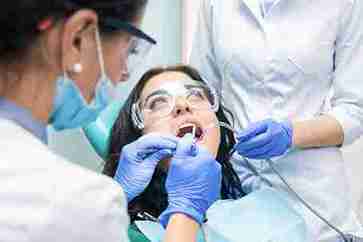
Braces are more than just a cosmetic treatment; they play a vital role in correcting bite alignment and promoting overall oral health. While they gradually shift teeth into their ideal positions, braces can make maintaining daily oral hygiene more challenging. Food particles can lodge in brackets, and plaque may accumulate in areas that are difficult to reach, increasing the risk of cavities and gum issues. Developing a structured oral care routine, combined with proper techniques and a mindful diet, is essential. With patience and consistency, patients can ensure that their journey with braces leads to a healthy, radiant smile.
Understanding the Challenges of Braces
Braces are designed to gradually move teeth into their ideal positions, but they create unique obstacles for oral hygiene. Recognising these challenges is the first step in preventing dental problems:
- Food Traps: Brackets and wires create small spaces where food easily becomes lodged. Sticky or sugary foods can worsen the risk of cavities.
- Difficult Brushing Areas: The intricate structure of braces makes it challenging to clean every surface of the teeth effectively.
- Gum Sensitivity: The pressure from braces can make gums more prone to irritation and inflammation.
- Plaque Accumulation: Hard-to-reach areas can allow plaque and tartar to form, potentially leading to gingivitis or enamel damage.
By understanding these issues, patients can adopt a proactive approach to oral care, reducing the likelihood of complications.
Daily Oral Hygiene Routine
Maintaining a strict hygiene routine is essential for anyone with braces. It’s not just about brushing; proper care involves multiple steps to ensure teeth and gums stay healthy throughout treatment.
Brushing Tips
- Use a soft-bristled toothbrush or an electric toothbrush with an orthodontic head.
- Brush after every meal if possible to remove trapped food particles.
- Focus on angled brushing: hold the brush at a 45-degree angle to clean above and below each bracket.
- Use fluoride toothpaste to strengthen enamel and prevent decay.
Flossing Tips
- Flossing is vital but trickier with braces. Use a floss threader or specialised orthodontic flossers.
- Aim to floss once daily to remove plaque between teeth and under the gumline.
Rinsing
- Consider using an antibacterial mouthwash to reduce plaque and gingivitis.
- A fluoride mouth rinse can help protect enamel from the increased risk of demineralisation around brackets.
Pro Tip: Keep a travel kit with a toothbrush, toothpaste, and floss to maintain hygiene when away from home.

Dietary Recommendations
What you eat has a direct impact on the health of your teeth and the integrity of your braces. Certain foods can damage brackets or wires, while others help maintain healthy teeth and gums.
Foods to Avoid
| Category | Examples |
| Sticky & Chewy | Caramel, toffee, chewing gum |
| Hard & Crunchy | Nuts, hard candy, ice cubes |
| Sugary & Acidic | Fizzy drinks, sugary snacks, citrus fruits (in excess) |
Foods to Embrace
| Category | Examples |
| Soft Fruits | Bananas, berries, peaches |
| Cooked Vegetables | Carrots, squash, broccoli |
| Dairy & Protein | Cheese, yoghurt, eggs, soft meats |
| Whole Grains | Oats, rice, pasta |
Eating Tips: Cut food into smaller pieces and chew slowly to prevent bracket damage. Avoid biting directly into hard items like apples; instead, slice them first.
Managing Common Issues with Braces
Even with careful hygiene and diet, minor issues can arise during orthodontic treatment. Knowing how to address them can prevent complications and reduce discomfort.
Soreness & Irritation
- Brackets and wires can rub against the cheeks or lips, causing irritation.
- Orthodontic wax can provide temporary relief by covering sharp edges.
- A warm saltwater rinse can reduce discomfort and inflammation.
Loose Brackets or Wires
- Brackets or wires may occasionally come loose due to hard foods or accidents.
- If a bracket or wire is loose, contact your orthodontist promptly.
- Avoid attempting DIY fixes that may worsen the issue.
- In urgent cases, an emergency dentist in Darlington can provide immediate relief until a proper appointment is available.
Preventing Stains & Decalcification
- Poor brushing can lead to white spots or enamel weakening around brackets.
- Regular, careful brushing, flossing, and fluoride use help prevent discolouration.
- Limit acidic and staining foods such as black tea, coffee, and fizzy drinks.
Quick Checklist for Common Problems:
- Use orthodontic wax for irritation.
- Rinse with warm saltwater for soreness.
- Contact an orthodontist or emergency dentist for loose brackets/wires.
- Brush and floss meticulously to prevent stains.
Choosing the Right Oral Hygiene Tools
Selecting appropriate tools significantly impacts dental health during orthodontic treatment.
Key recommendations:
- Toothbrushes: Use a soft-bristled or electric toothbrush designed for braces.
- Flossing aids: Floss threaders or orthodontic flossers simplify cleaning between teeth.
- Interdental brushes: Small brushes can reach tight spaces around brackets and wires.
- Mouthwash: Fluoride or antibacterial rinses provide extra protection against plaque and gum inflammation.
Investing in the right tools helps prevent cavities, gum irritation, and enamel damage. Regularly replacing worn brushes and using these aids consistently ensures optimal oral care and enhances the comfort of wearing braces.
Professional Check-Ups Are Crucial
Maintaining oral health while wearing braces is not solely an at-home effort. Regular professional care is essential for preventing complications and ensuring treatment progresses as planned.
- Orthodontic Appointments: Adjustments and checks are necessary to guide teeth into proper alignment.
- Dental Cleanings: Routine visits to a dentist or hygienist remove plaque and tartar that brushing may miss.
- Early Intervention: Timely attention from an orthodontist Darlington can prevent minor issues from escalating, saving time and discomfort.
Even if everything seems fine at home, professional oversight ensures long-term dental health.
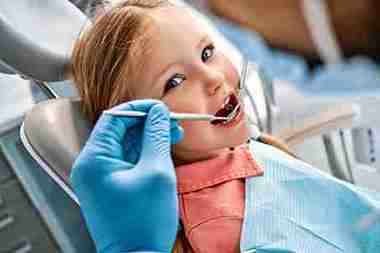
Tips for Teens and Parents
For younger patients, maintaining braces hygiene can be a challenge. Parents can play a supportive role without taking over entirely:
- Encourage independence, but supervise proper brushing and flossing technique.
- Make routines fun: themed toothbrushes, timers, or apps can motivate teens to brush correctly.
- Educate about the consequences of poor hygiene, including prolonged treatment, cavities, and gum problems.
- Positive reinforcement can foster good habits that last well beyond orthodontic care.
Conclusion
Maintaining oral hygiene with braces requires commitment and careful attention. Consistent brushing, proper flossing techniques, and smart dietary choices help prevent complications like cavities, plaque build-up, and gum irritation. Regular professional check-ups are crucial to monitor progress and address minor issues before they become serious. Using the right tools, coupled with a structured hygiene routine, ensures teeth and gums remain healthy throughout orthodontic treatment. With dedication and support, patients can achieve a smooth, comfortable braces experience and a confident, beautiful smile. Darlington is committed to guiding patients through every step of this journey.