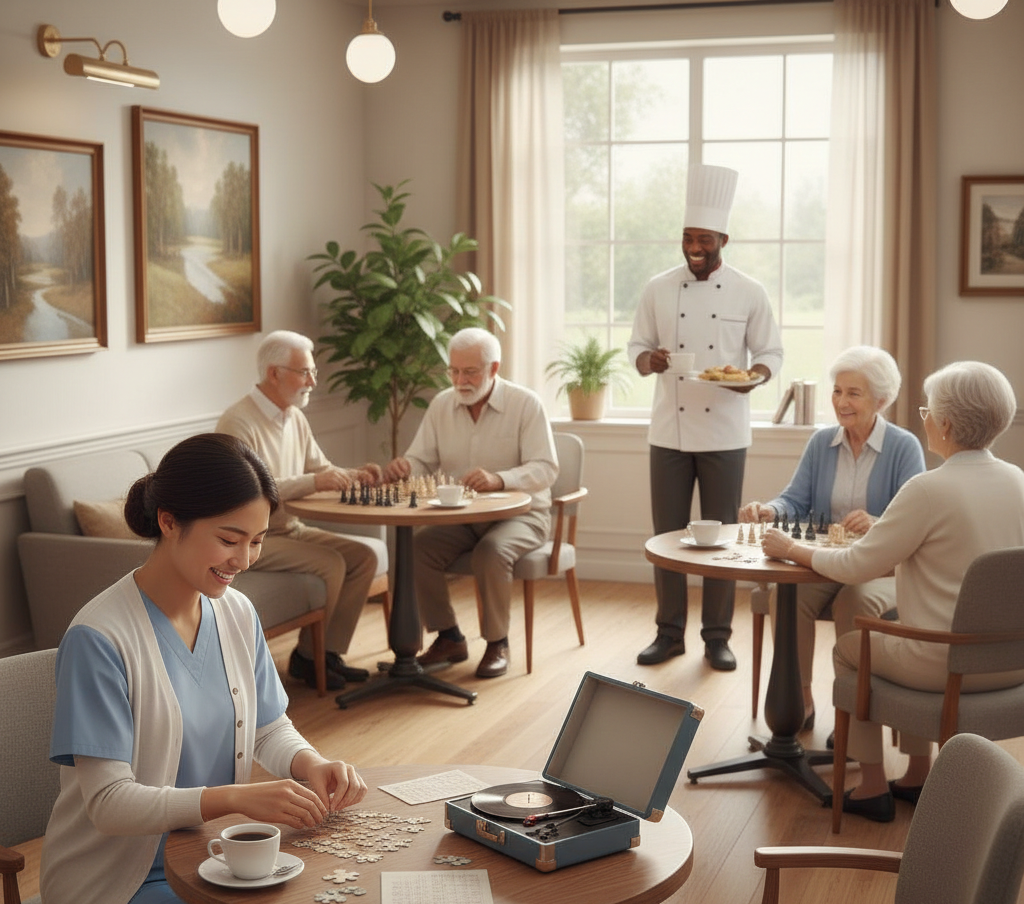
For many seniors, maintaining independence is a top priority, even when daily tasks become increasingly challenging. Assisted living communities are designed to provide support precisely where it’s needed, without taking away autonomy. Seniors receive help with daily activities while continuing to live an active, fulfilling life. This balance of independence and assistance allows residents to thrive physically, socially, and emotionally while enjoying the comfort and safety of a supportive environment.
Balancing Independence and Support
One of the main goals of assisted living is to provide assistance in areas that matter most—like medication management, meal preparation, or mobility support—without taking over a resident’s routine. Seniors can continue to make choices about how they spend their day, what activities they enjoy, and how they structure their personal schedule. This approach reinforces dignity, confidence, and a sense of purpose.
For example, a resident may want to cook their favorite breakfast but needs guidance with meal safety or reminders to take medication. Assisted living staff offer support as needed, letting residents maintain control while minimizing risk.
Daily Assistance Without Overreach
Even simple daily activities can become stressful as seniors age. Tasks like bathing, dressing, managing medications, and housekeeping can accumulate and affect quality of life. Assisted living communities provide help in a way that respects the resident’s autonomy. Caregivers encourage seniors to perform as much as they comfortably can, fostering independence while preventing frustration or fatigue.
This measured support preserves self-esteem and allows seniors to maintain a sense of accomplishment in everyday tasks. Residents are not treated as patients—they are active participants in their own care.
Promoting Social Engagement
Independent decision-making is complemented by abundant opportunities for social interaction. Shared dining areas, group activities, fitness programs, and community outings help residents form meaningful connections. Social engagement reduces isolation, supports emotional health, and encourages participation in community life.
Activities like book clubs, gardening groups, or morning exercise classes provide regular interaction. Even small daily conversations with neighbors or staff can enhance mood and emotional well-being.
Safety with Freedom
Assisted living communities are thoughtfully designed with safety in mind. Features like grab bars, non-slip flooring, emergency call systems, and staff supervision ensure that seniors can navigate their environment confidently. These measures allow freedom without constant risk. Residents can walk, exercise, or explore the community knowing that help is readily available if needed.
Health and Wellness Programs
Maintaining physical and mental well-being is a critical part of assisted living. Communities often offer exercise classes, walking clubs, fitness equipment, and group activities that promote strength, balance, and cardiovascular health. Seniors can participate at their own pace, preventing falls, improving mobility, and supporting independence.
Medication management programs ensure prescriptions are taken correctly, reducing errors and providing peace of mind. Nutrition plans provide balanced meals that support energy, strength, and overall health, making everyday life safer and more enjoyable.
Encouraging Personal Growth and Hobbies
Seniors are encouraged to explore hobbies, learn new skills, and engage in creative projects. Art classes, music groups, gardening, volunteer opportunities, or continuing education programs allow residents to pursue passions and try new experiences. This autonomy nurtures purpose and motivation, keeping daily life stimulating.
Support for Families
Family caregivers often experience stress juggling responsibilities. Assisted living relieves pressure by providing 24/7 professional care, allowing family members to enjoy visits without the constant worry of caregiving. Families can focus on meaningful interactions, share quality time, and maintain strong relationships with their loved ones.
Building a Strong Community
Assisted living is not only about care—it’s about community. Residents share meals, attend events, and form friendships that enrich daily life. Social bonds improve mental health, reduce feelings of isolation, and foster a sense of belonging. The community aspect encourages participation, laughter, and shared experiences that enhance emotional well-being.
Conclusion
Assisted living helps seniors retain independence while receiving the support they need to live safely and comfortably. By combining personal choice, social engagement, structured wellness programs, and professional care, residents can enjoy an active and fulfilling lifestyle. Families gain peace of mind knowing that their loved ones are supported by compassionate professionals. At Regency Morristown, this balance is at the heart of daily life, empowering seniors while ensuring they thrive physically, socially, and emotionally.