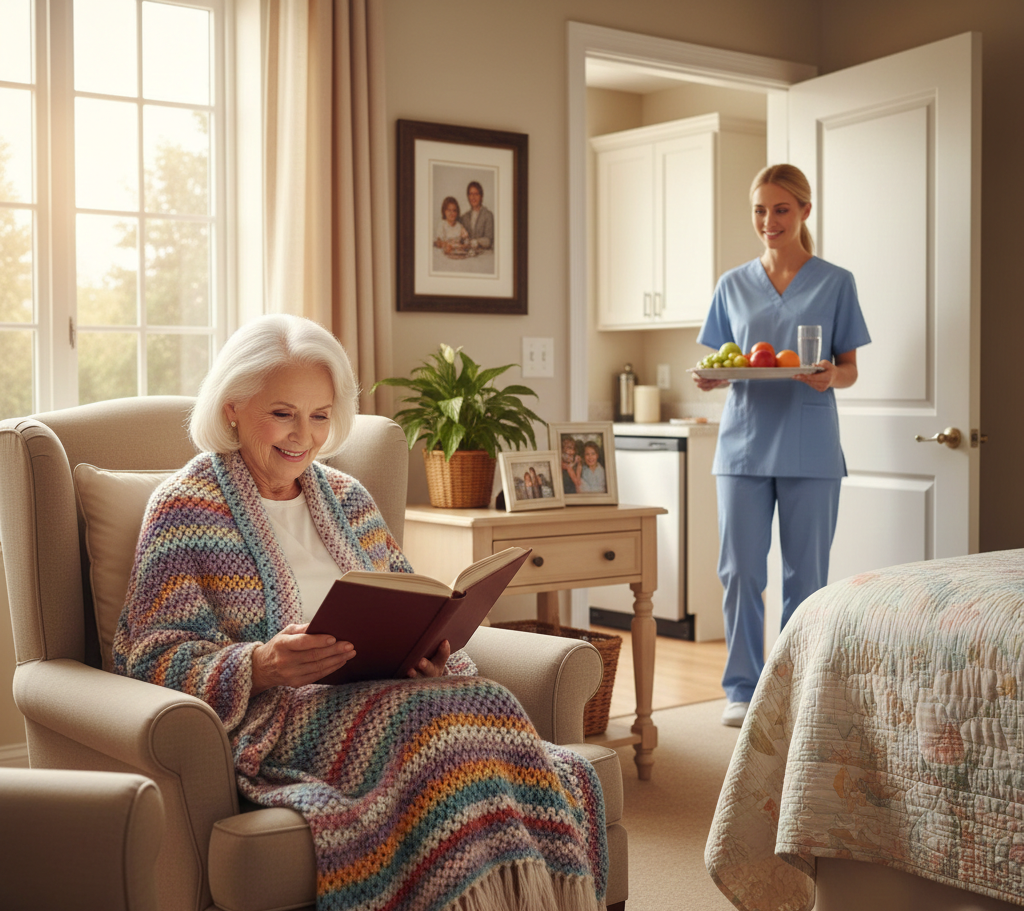
Short-term stays exist for one important reason: seniors should not have to choose between independence and support. Many older adults need assistance only for a season—after surgery, during a caregiver’s travel, or while testing whether senior living fits their future. A short-term stay provides that middle path where help is available without taking control away.
The beauty of short-term care lies in its flexibility. Unlike permanent moves that can feel overwhelming, these temporary arrangements give seniors time to heal, families time to plan, and everyone involved the chance to make thoughtful decisions about the future. It’s care without commitment, support without surrender.
Independence That Still Feels Like “Home”
True independence is not about doing everything alone; it is about having choices. Short-term residents wake up when they want, decide which activities to attend, and maintain personal routines. The difference is that help stands nearby if needed.
This approach protects identity. Seniors continue being the authors of their days rather than becoming passive recipients of care. They choose what to wear, when to socialize, and how to spend their afternoons. The environment adapts to them, not the other way around.
Personal preferences remain honored. One resident might prefer breakfast at 7 a.m., another at 9:30. Some enjoy group activities while others treasure quiet reading time. These choices might seem small, but they represent something profound: the right to live according to one’s own values and rhythms, even during a period of increased need.
Gentle Support Instead of Takeover
Every senior arrives with different abilities. Some need only meals and transportation. Others require reminders for medication or help with shower safety. Short-term stays adjust to those exact needs.
Because assistance is selective, residents keep doing what they can still manage—buttoning a shirt, walking to the dining room, organizing their belongings. These small actions preserve confidence and physical ability. Staff members observe carefully, offering a hand only when truly needed, never rushing in to “help” when someone simply needs a moment longer to accomplish a task independently.
This selective approach prevents a common problem in caregiving: learned helplessness. When others do everything for us, skills atrophy quickly. Short-term stays preserve ability by encouraging continued use of existing strengths while providing backup for genuine limitations.
A Safer Place to Recover
After a hospital stay, home can feel like an obstacle course. Stairs, laundry baskets, and empty refrigerators slow healing. Short-term stays replace those challenges with accessible rooms, balanced meals, and staff who understand recovery.
Therapy schedules are easier to follow. Rest becomes deeper. Seniors focus on regaining strength rather than surviving the day. Physical therapists work directly with residents, and occupational therapy happens naturally throughout the day as seniors practice real-life activities in a supportive setting.
Recovery requires more than just medical treatment—it requires an environment designed for healing. Single-floor layouts eliminate stair risks. Grab bars provide stability. Emergency call systems offer peace of mind. These features work together to create conditions where bodies can truly heal rather than simply survive.
Rebuilding Daily Routine
When living alone, routines often fade: breakfast skipped, pills taken late, showers avoided, appointments forgotten. Short-term stays quietly rebuild structure. Days develop a natural rhythm of meals, activity, rest, and social time.
This rhythm is one of the strongest forms of independence because it restores energy and self-trust. When seniors know what to expect, they can plan ahead, engage more fully, and rediscover the satisfaction of completing their day feeling accomplished rather than exhausted.
Routine provides the scaffolding upon which recovery is built. Regular mealtimes ensure proper nutrition. Scheduled activities prevent isolation. Consistent sleep patterns improve healing. This structure happens naturally in a supportive community, whereas at home it requires constant willpower to maintain.
Confidence Grows From Safety
Fear shrinks a person’s world. Many seniors stop walking outside after one near fall or avoid bathing because the tub feels dangerous. In a supportive setting, that fear loosens. Grab bars, emergency systems, and attentive staff make ordinary tasks feel possible again. Independence expands when worry decreases.
When seniors feel safe, they attempt more. They walk farther, participate in activities they’d abandoned, and rediscover capabilities they thought were lost. This growing confidence often surprises families who’ve watched their loved one become increasingly withdrawn at home.
Social Life Returns Naturally
Short-term stays prevent the loneliness that often follows illness. Shared meals, hallway greetings, and group events create effortless connection. Residents talk more, laugh more, and begin planning tomorrow instead of dreading it. Community reminds seniors that independence and togetherness can live side by side.
Healing happens faster in the presence of others. Laughter reduces pain. Conversation stimulates cognition. Shared experiences create meaning. These social connections aren’t extras—they’re essential medicine that isolation at home cannot provide.
Relief for Families
Families also experience renewed independence. Instead of constant checking and scheduling, they can return to being sons and daughters. Visits become conversations, not caregiving shifts. This healthier relationship benefits the senior emotionally and speeds recovery.
Adult children often carry crushing guilt about not doing enough, even when they’re doing everything humanly possible. Short-term stays lift that burden, allowing families to love without exhaustion, to visit without dread, and to make clear-headed decisions about long-term care.
A Bridge Between Chapters
Short-term stays work like a bridge: from hospital to stronger health, from home alone to supported living, from uncertainty to clear decisions. Seniors keep control of what comes next.
This transitional period provides valuable information. Families see what level of care works best. Seniors discover which services they actually need versus what they feared they’d need. These insights lead to better long-term planning.
Respect for Personal Identity
Clothes, photos, favorite schedules—all remain part of daily life. Staff support the person rather than replacing the person. That respect is the heart of independence.
Preparing for the Future
Even when seniors return home, they leave knowing a safe option exists for the next challenge. That knowledge alone reduces anxiety. Having experienced quality care, they and their families can plan ahead with confidence rather than scrambling during the next crisis.
For older adults in North Alabama, Regency Huntsville offers short-term stays that honor independence while surrounding every guest with dependable support, familiar comforts, and a welcoming community.