Ever wake up stiff, sore, or just “off” even though you didn’t push yourself at the gym – or barely even moved?
It’s frustrating, right? Most of us blame our muscles. But here’s the twist: the real culprit might be the fascia, the connective tissue that wraps, supports, and holds your muscles in place.
That’s where myofascial release therapy in Montreal, QC comes in. This hands-on approach doesn’t just mask the pain – it works directly on the fascia to release tension, restore mobility, and get your body moving freely again.
Curious how it works and why it might feel like a mini miracle for your body? Let’s break it down.
What is Fascia?
Fascia is a glue-like tissue in our body that holds all the 70 trillion cells together. For a long time, it was overlooked – simply seen as the layer covering muscles rather than something essential in its own right.
But today, science recognizes fascia as a complex network of collagen-based connective tissues – that includes muscle layers, tendons, ligaments, bursa, organ coverings and even the tissue around nerves. Fascia isn’t just a passive layer around your cells. It plays an active role in your body – helping you move freely, transfer force between muscles and joints and keep your structure stable.
But when it tightens, it can disrupt this balance – causing pain, reduced mobility and even changes in posture.
How Does Myofascial Release Therapy Help?
Myofascial release therapy in Montreal, QC, works by applying gentle pressure to tight fascia to break down tight spots, scar tissue and adhesions between your skin, muscles and bones. This eases stiffness, improves blood flow, warms the tissue, and keeps it hydrated – helping your connective tissues stay flexible. With regular sessions, everyday movements start to feel lighter and more comfortable.
Key Techniques Used in Mayofascial Therapy
There are a few main techniques therapists use in myofascial release. Each one works a little differently but the goal is the same: to release tight fascia, improve movement and make your body feel more comfortable.
Here’s a simple breakdown:
| Technique | How It Works | What It Helps With |
| Direct Pressure | Pressing firmly on a tight spot and holding it until the tissue softens. | Releases deep tension and loosens tight areas. |
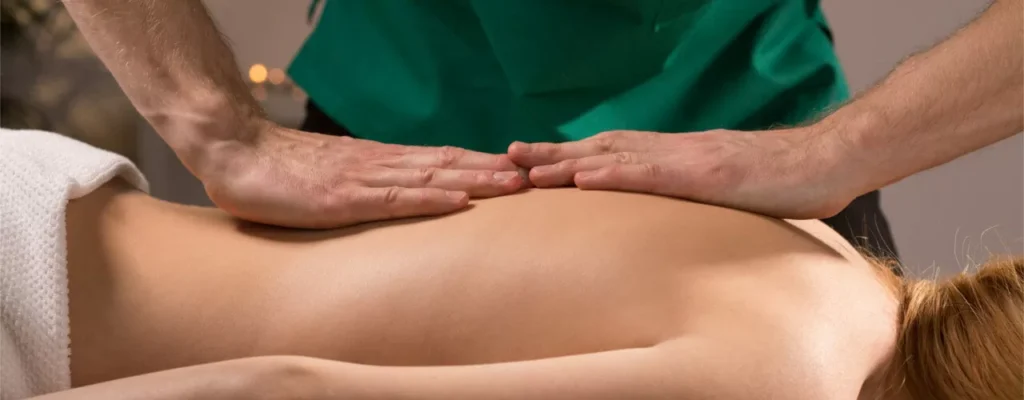
| Cross-Hand Stretches | Using both hands to gently stretch tight areas, usually on the back or legs. | Opens stiff muscles and improves flexibility. |
| Skin Rolling | Lifting and rolling the skin and tissue underneath with their fingers. | Loosens surface tension and helps tissues move more freely. |
| Decompression | Stretching or pulling of your arms, legs, neck or spine. | Reduces pressure, eases joints and makes movement easier. |
| Tack and Stretch | Holding a tight spot while stretching the surrounding tissue. | Releases stubborn knots and increases flexibility. |
The Main Benefits of Myofascial Release Therapy in Montreal, QC
✅ Increases your range of motion for flexible movement
✅ Boosts blood flow and keeps your tissues healthy and hydrated
✅ Supports better posture and overall body alignment
✅ Speeds up recovery from injuries and overuse
✅ Promotes relaxation and reduces stress
Why Certain Areas Hold More Tension Than Others
Some parts of your body naturally collect more fascial stress due to posture, movement habits or old injuries:
- Thoracolumbar Junction
One key spot is the thoracolumbar junction – the area where your mid-back meets your lower back, just below the rib cage. Tight fascia in this region causes pain that can travel to other areas, including the hips, shoulders and even knees.
- Scapulothoracic region
Another common area is the scapulothoracic region – the space under and around your shoulder blades. Fascia here can get stiff, causing a deep, burning ache or twitching sensation in your neck, shoulder and arms.
- Posterior lateral hip
The posterior lateral hip is another area that can hold a lot of tension. Tight fascia here can contribute to sciatica, runner’s knee, knee-tracking issues and foot overpronation – affecting walking, running and overall movement.
Are There Any Risks?
While myofascial release therapy in Montreal, QC is generally safe – it can go wrong if it’s not done correctly. You could end up with:
- Soreness or tenderness that lingers longer than it should
- Bruises that take a long time to fade
- Feeling unusually tired after a session
- Pain if the pressure isn’t applied the right way
- Risk of aggravating an existing injury
This is exactly why you need a professional wellness center or a licensed therapist. They know your body, understand how much pressure to use and focus on the right areas safely. With their guidance, every session works perfectly – releasing tight fascia, improving mobility and allowing you to move without any restrictions.
Help Your Body Perform Its Best!
Myofascial release therapy isn’t just a massage – it’s a targeted way to help your body move more easily and reduce pain at its source. By focusing on the fascia, it works on the root of tightness and stiffness, rather than just masking discomfort. When done by a skilled professional, it can improve your flexibility, ease chronic tension, support better posture, and overall movement. Want to feel the difference for yourself with myofascial release therapy in Montreal, QC? Book a session at Eternal Experiences today!