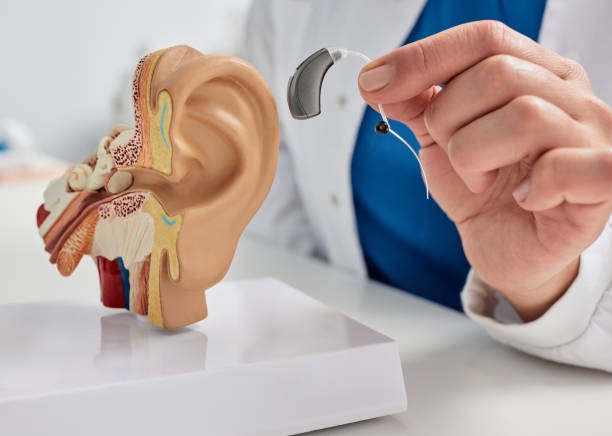
Hearing loss can significantly affect communication, confidence, and overall quality of life. Fortunately, modern hearing technology has evolved rapidly, offering advanced solutions that cater to different levels of hearing loss, lifestyle needs, and comfort preferences. Among the most widely recommended options are the bte hearing aid and receiver-in-canal (RIC) hearing aids.
While both styles deliver reliable sound amplification, understanding how they work, who they are suitable for, and how receiver in canal hearing aid prices vary can help users make informed, cost-effective decisions.
This guide explains the key differences, benefits, pricing factors, and practical considerations to help you choose the right hearing solution.
What Is a BTE Hearing Aid?
A bte hearing aid (Behind-The-Ear hearing aid) is designed to sit comfortably behind the ear, with sound delivered into the ear canal through a tube or earmold. This style has remained popular for decades due to its durability, versatility, and powerful performance.
BTE hearing aids are suitable for a wide range of users, from children to seniors, and can address mild to profound hearing loss. Their external placement allows room for advanced features and stronger amplification, making them a dependable option for long-term use.
Key Benefits of BTE Hearing Aids
BTE hearing aids offer several practical advantages, especially for individuals seeking reliability and flexibility.
- Powerful sound amplification for diverse hearing needs
BTE hearing aids can accommodate stronger receivers and larger batteries, making them ideal for users with moderate to severe hearing loss. This ensures clear sound even in challenging listening environments. - Durability and ease of maintenance
Since electronic components are housed outside the ear canal, they are less exposed to moisture and earwax. This design often results in longer device lifespan and easier cleaning. - Comfortable fit and adaptability
BTE hearing aids can be customized with soft ear molds or domes, providing comfort for extended wear. They are also easier to handle for individuals with limited dexterity.
Understanding Receiver in Canal (RIC) Hearing Aids
Receiver-in-canal hearing aids represent a more modern and discreet alternative. In this design, the receiver (speaker) sits directly inside the ear canal, connected to a small unit behind the ear by a thin wire.
This placement allows for more natural sound quality and reduced distortion, especially for higher frequencies. As a result, many users explore receiver in canal hearing aid prices when seeking a balance between aesthetics, performance, and comfort.
Why Receiver in Canal Hearing Aids Are Popular
RIC hearing aids are often chosen for their subtle appearance and advanced sound processing.
- Improved sound clarity and natural listening experience
Placing the receiver closer to the eardrum reduces sound loss and feedback, resulting in clearer speech and better overall sound quality. - Lightweight and discreet design
The slim wire and small behind-the-ear component make RIC hearing aids less noticeable, which appeals to users concerned about visibility. - Advanced technology compatibility
RIC models often support Bluetooth connectivity, noise reduction, directional microphones, and smartphone control for personalized listening.
Receiver in Canal Hearing Aid Prices: What Influences the Cost?
Receiver in canal hearing aid prices vary widely depending on multiple factors. Understanding these factors helps buyers choose a device that fits both their hearing needs and budget.
- Level of technology and features included
Basic RIC models focus on amplification, while premium models include features such as AI-based noise management, rechargeable batteries, and wireless streaming. Higher technology levels naturally increase pricing. - Degree of hearing loss supported
Devices designed for more complex hearing loss often require stronger receivers and specialized programming, which can affect cost. - Brand, warranty, and after-sales support
Trusted manufacturers often offer better warranties, software updates, and service support. These long-term benefits are reflected in receiver in canal hearing aid prices.
Comparing BTE Hearing Aids and RIC Hearing Aids
Choosing between a bte hearing aid and a receiver-in-canal model depends on lifestyle, comfort preferences, and hearing requirements.
- Sound power versus discretion
BTE hearing aids generally provide stronger amplification, making them suitable for severe hearing loss. RIC hearing aids prioritize sound clarity and aesthetics, ideal for mild to moderate loss. - Maintenance and usability
BTE devices are easier to clean and maintain, while RIC devices require careful handling due to the in-canal receiver. - Budget considerations
Receiver in canal hearing aid prices often start higher than basic BTE models, especially when advanced features are included. However, long-term comfort and performance may justify the investment.
Who Should Choose a BTE Hearing Aid?
A BTE hearing aid is often recommended for users who value performance, durability, and ease of use.
- Individuals with moderate to profound hearing loss who need stronger amplification
- Children and elderly users who benefit from sturdy, easy-to-handle devices
- Users who prefer longer battery life and straightforward maintenance
Who Should Consider Receiver in Canal Hearing Aids?
Receiver-in-canal hearing aids are suitable for users who prioritize comfort and sound quality.
- Adults with mild to moderate hearing loss seeking discreet solutions
- Professionals who spend time in meetings or noisy environments
- Users interested in modern features like smartphone connectivity and streaming
Tips for Choosing the Right Hearing Aid
Making the right choice involves more than comparing prices.
- Get a professional hearing assessment
A detailed hearing evaluation ensures that the selected device matches your specific hearing profile. - Compare features alongside receiver in canal hearing aid prices
Rather than focusing solely on cost, evaluate how features improve daily listening experiences. - Consider long-term support and servicing
Reliable after-sales support ensures your hearing aid performs optimally over time.
Conclusion:
Modern hearing solutions like the bte hearing aid and receiver-in-canal hearing aids offer reliable ways to restore clarity and confidence in everyday communication. While BTE hearing aids provide powerful performance and durability, understanding receiver in canal hearing aid prices helps users evaluate advanced, discreet options with superior sound quality.
The right hearing aid is an investment in comfort, connection, and quality of life. By consulting hearing care professionals, comparing features carefully, and choosing a device suited to your lifestyle, you can enjoy clearer hearing and greater independence every day.