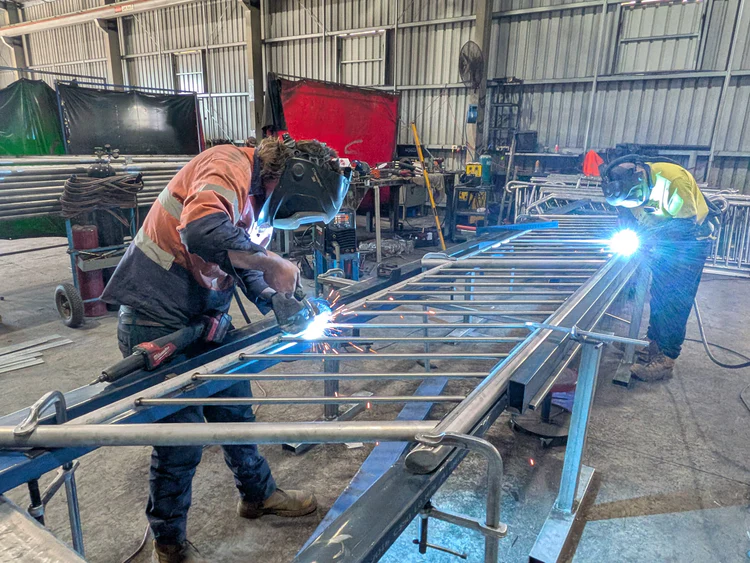
Stainless steel is one of the most versatile and widely used materials in the modern world. From kitchen appliances to skyscrapers, medical instruments to automotive parts, this remarkable alloy plays a critical role in countless industries. Known for its corrosion resistance, strength, and sleek appearance, stainless steel combines durability with aesthetic appeal.
In this comprehensive guide, we’ll explore what stainless steel is, its properties, main types, advantages, and how it is used across different industries.
What Is Stainless Steel?
Stainless steel is a corrosion-resistant alloy primarily made from iron, chromium, and varying amounts of other elements such as nickel, molybdenum, and carbon. The defining feature of stainless steel is its chromium content — typically at least 10.5%. Chromium reacts with oxygen to form a thin, invisible layer of chromium oxide on the surface, preventing rust and corrosion.
Unlike regular carbon steel, stainless steel does not easily rust or stain when exposed to moisture, air, or certain chemicals. This self-repairing protective layer makes it ideal for both indoor and outdoor environments.
Key Properties of Stainless Steel
Stainless steel offers a combination of properties that make it highly valuable across industries:
1. Corrosion Resistance
The most well-known property of stainless steel is its resistance to corrosion. This makes it suitable for environments exposed to water, humidity, and chemicals.
2. Strength and Durability
Stainless steel has excellent tensile strength and impact resistance. It performs well under extreme temperatures, both hot and cold.
3. Hygienic and Easy to Clean
Its smooth surface prevents bacteria buildup, making it ideal for food processing, medical tools, and kitchen equipment.
4. Aesthetic Appeal
With its modern, polished finish, stainless steel is popular in architecture and interior design.
5. Recyclability
Stainless steel is 100% recyclable and often contains recycled content, making it environmentally friendly.
Types of Stainless Steel
Stainless steel is categorized into several types based on its microstructure and composition.
1. Austenitic Stainless Steel
This is the most common type and includes popular grades like 304 and 316. It contains high chromium and nickel content and offers excellent corrosion resistance and formability.
Austenitic stainless steel is widely used in kitchen equipment, food processing, and chemical containers.
2. Ferritic Stainless Steel
Ferritic stainless steel contains chromium but little or no nickel. It has good corrosion resistance and magnetic properties. It is commonly used in automotive parts and industrial equipment.
3. Martensitic Stainless Steel
Known for its high strength and hardness, martensitic stainless steel can be heat-treated. It is often used in tools, knives, and turbine blades.
4. Duplex Stainless Steel
Duplex stainless steel combines the properties of austenitic and ferritic types. It provides enhanced strength and corrosion resistance, especially in marine and chemical environments.
Common Applications of Stainless Steel
Stainless steel’s versatility allows it to be used in many industries.
1. Construction and Architecture
Modern buildings frequently use stainless steel for structural support, cladding, roofing, and decorative elements. A notable example is the Chrysler Building in New York City, which features stainless steel in its iconic crown. The material’s durability and resistance to weathering make it ideal for urban environments.
2. Kitchen and Household Appliances
Refrigerators, sinks, cookware, and cutlery often use stainless steel due to its hygienic properties and rust resistance. It does not react with food, making it safe for cooking and storage.
3. Medical and Healthcare Equipment
Surgical instruments, hospital beds, and sterilization trays rely on stainless steel for its ability to withstand repeated cleaning and sterilization without degrading.
4. Automotive and Transportation
Stainless steel is used in exhaust systems, structural components, and even railway cars. Its strength-to-weight ratio improves performance and fuel efficiency.
5. Energy and Chemical Industries
Pipelines, storage tanks, and heat exchangers frequently use stainless steel because it resists corrosion from chemicals and high-pressure environments.
Advantages of Stainless Steel
Choosing stainless steel offers several important benefits:
- Long lifespan: It can last decades with minimal maintenance.
- Low maintenance costs: Resistant to staining and corrosion.
- High temperature resistance: Performs well in extreme heat.
- Sustainability: Fully recyclable without losing quality.
- Modern appearance: Provides a clean, contemporary look.
Stainless Steel vs. Carbon Steel
While both materials are iron-based alloys, stainless steel contains chromium, which provides corrosion resistance. Carbon steel, on the other hand, is typically stronger and less expensive but prone to rust unless treated or coated.
Stainless steel is often the better long-term investment when durability and low maintenance are priorities.
Maintenance and Care
Although stainless steel is highly resistant to corrosion, proper maintenance ensures its longevity:
- Clean regularly with mild soap and water.
- Avoid harsh abrasive cleaners that may scratch the surface.
- Dry surfaces to prevent water spots.
- Use appropriate cleaners for removing fingerprints or smudges.
Routine care helps preserve both performance and appearance.
Environmental Impact
Stainless steel is considered environmentally responsible because:
- It is fully recyclable.
- It has a long service life, reducing replacement frequency.
- Production processes increasingly incorporate sustainable practices.
Many stainless steel products contain a significant percentage of recycled material, reducing demand for raw resources.
Future of Stainless Steel
With growing demand in renewable energy, urban infrastructure, and advanced manufacturing, stainless steel continues to evolve. Innovations in alloy composition and surface treatments are improving strength, corrosion resistance, and sustainability. Industries such as solar energy, electric vehicles, and green building construction are expected to increase the demand for high-performance stainless steel materials.
Conclusion
Stainless steel remains one of the most important materials in modern industry and daily life. Its unique combination of corrosion resistance, strength, hygiene, and aesthetic appeal makes it indispensable across construction, healthcare, transportation, and home applications.
Whether used in towering skyscrapers, precision medical tools, or everyday kitchen appliances, stainless steel delivers long-lasting performance and reliability. As technology advances and sustainability becomes more important, stainless steel will continue to play a key role in shaping a durable and efficient future.
If you want read more interesting blog visit over website jinvarlina