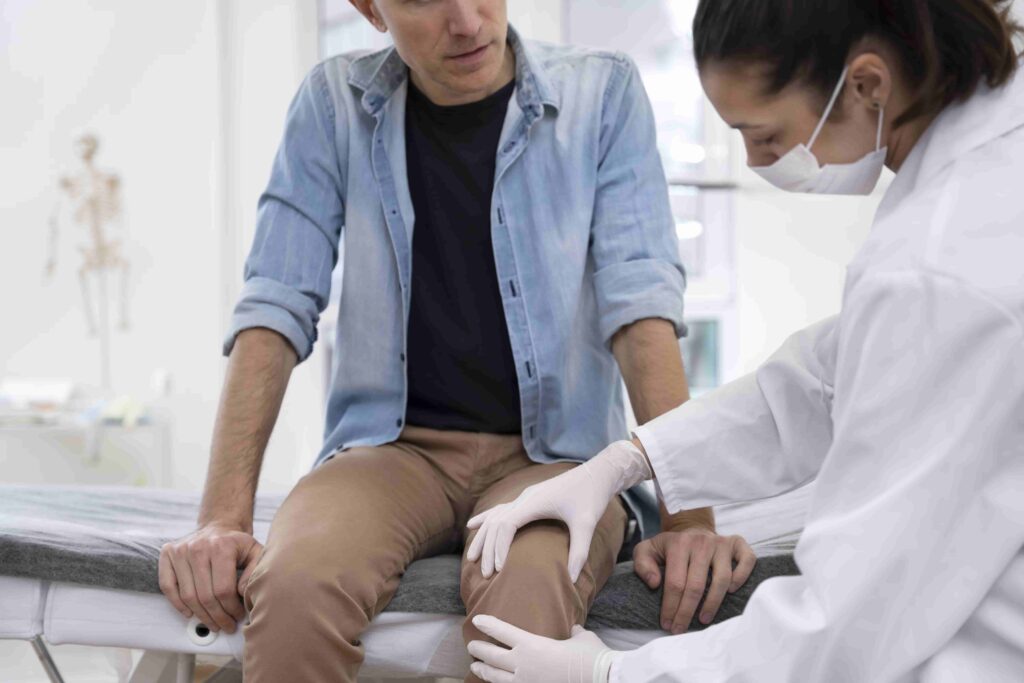
Sports and physical activities offer immense health benefits, but they also come with the risk of injury. From amateur fitness enthusiasts to professional athletes, sports injuries are a common challenge that can affect performance, mobility, and long-term joint health. Understanding these injuries and how orthopedic surgeons help manage and treat them is essential for effective recovery and injury prevention. This article explores ten of the most common sports injuries and the role orthopedic specialists play in helping athletes safely return to activity.
1. Sprains and Strains
Sprains involve ligament damage, while strains affect muscles or tendons. These injuries often occur due to sudden twisting movements, improper warm-ups, or overuse. Orthopedic surgeons assess the severity using physical exams and imaging, then recommend rest, physiotherapy, bracing, or in severe cases, surgical repair.
2. Anterior Cruciate Ligament (ACL) Injuries
ACL injuries are common in sports requiring sudden stops or directional changes, such as football or basketball. Orthopedic surgeons diagnose ACL tears through MRI scans and clinical tests. Treatment may involve reconstructive surgery followed by structured rehabilitation to restore knee stability and strength.
3. Meniscus Tears
The meniscus acts as a shock absorber in the knee. Tears often occur during twisting motions while bearing weight. Orthopedic care ranges from conservative management like physical therapy to minimally invasive arthroscopic surgery, depending on the tear’s size and location.
4. Shoulder Dislocations
Contact sports and falls frequently lead to shoulder dislocations. Orthopedic surgeons reposition the joint, assess soft tissue damage, and may recommend immobilization or surgery if dislocations are recurrent. Rehabilitation focuses on strengthening shoulder muscles to prevent future instability.
5. Rotator Cuff Injuries
Overhead sports such as cricket, tennis, and swimming often strain the rotator cuff. Orthopedic surgeons diagnose these injuries using imaging studies and physical assessments. Treatment can include anti-inflammatory medication, physical therapy, or surgical repair for complete tears.
6. Fractures
Sports-related fractures range from stress fractures due to overuse to acute breaks from high-impact trauma. Orthopedic surgeons use X-rays or CT scans to evaluate fractures and determine whether casting, bracing, or surgical fixation is necessary. Proper alignment is crucial for full functional recovery.
7. Achilles Tendon Injuries
The Achilles tendon is vulnerable in sports involving running and jumping. Injuries range from inflammation to complete ruptures. Orthopedic surgeons decide between non-surgical management and surgical repair based on the severity, followed by guided rehabilitation to regain strength and flexibility.
8. Tennis Elbow (Lateral Epicondylitis)
Despite its name, tennis elbow affects athletes in various sports involving repetitive arm movements. Orthopedic specialists manage this condition with activity modification, physical therapy, bracing, and in resistant cases, advanced interventions such as injections or surgical treatment.
9. Shin Splints
Shin splints cause pain along the shinbone and are common among runners. Orthopedic surgeons evaluate biomechanical factors like foot posture and training intensity. Treatment focuses on rest, footwear correction, physical therapy, and gradual return to activity to prevent recurrence.
10. Groin Pulls
Groin injuries are common in sports requiring rapid lateral movements. Orthopedic evaluation helps distinguish muscle strains from more serious conditions like hernias. Treatment usually includes rest, targeted rehabilitation, and strength training to restore full range of motion.
The Role of Orthopedic Surgeons in Athletic Recovery
Orthopedic surgeons play a vital role beyond injury treatment. Their expertise includes accurate diagnosis, individualized treatment planning, and long-term injury prevention. By combining medical management, surgical techniques, and coordinated rehabilitation, they help athletes recover efficiently while minimizing the risk of re-injury. Advanced imaging, minimally invasive procedures, and sports-specific rehabilitation programs have significantly improved recovery outcomes in modern sports medicine.
Conclusion
Sports injuries are an inevitable part of athletic participation, but timely and specialized orthopedic care can make a significant difference in recovery and long-term performance. From minor sprains to complex ligament injuries, orthopedic surgeons guide athletes through every stage of healing, ensuring safe return to sport and improved resilience against future injuries. For individuals seeking reliable access to orthopedic specialists and comprehensive healthcare support, platforms like Instacare.pk help connect patients with qualified Orthopedic Surgeon in Islamabad, making expert care more accessible and streamlined.